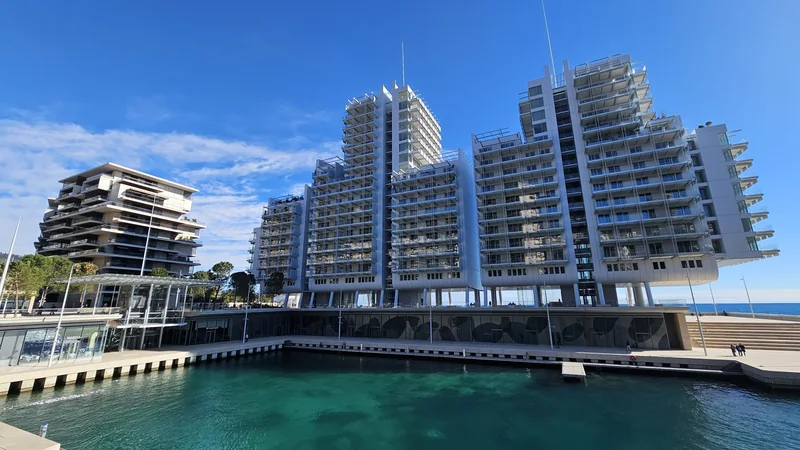
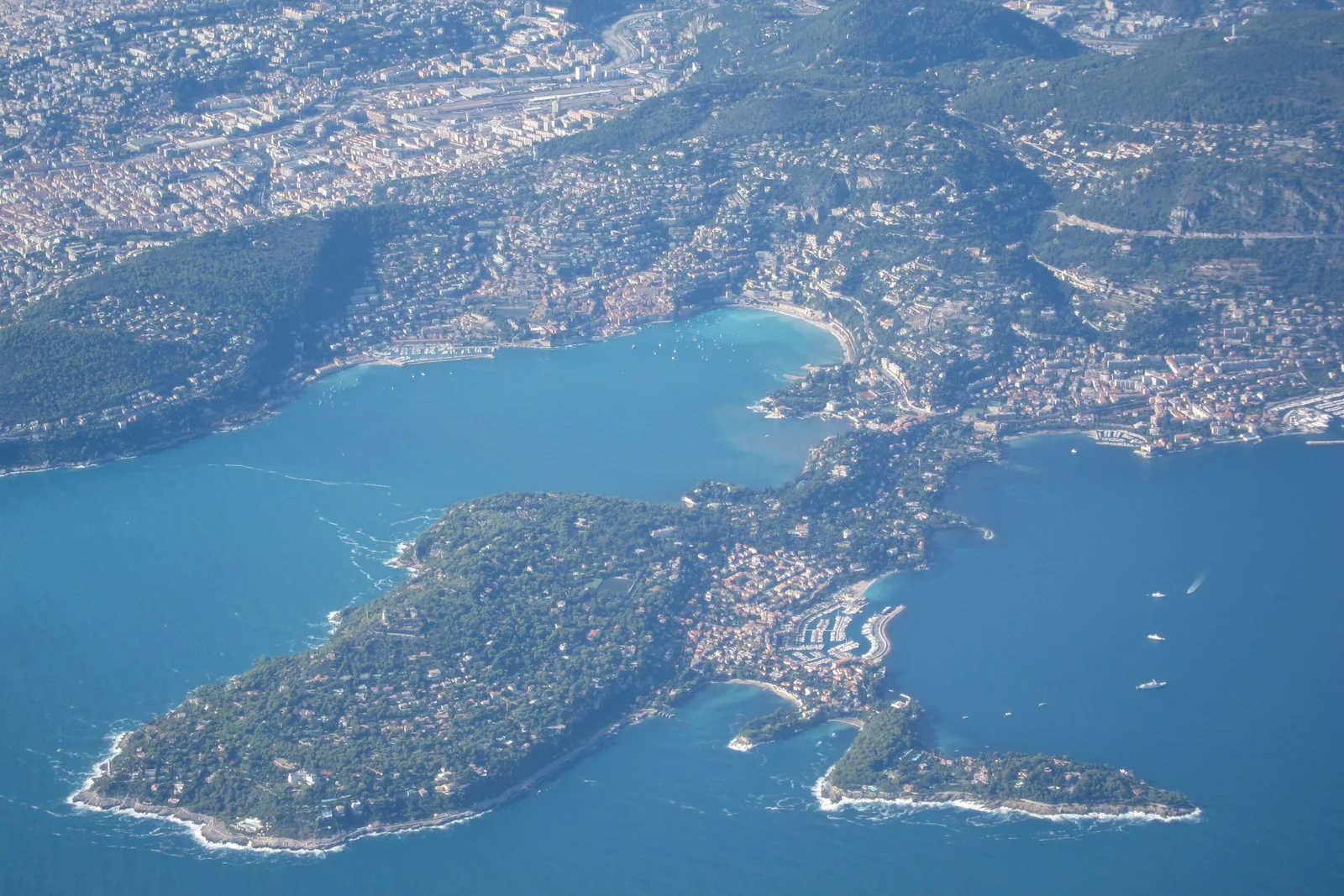
A terrace overlooking the Mediterranean can inspire an immediate decision. An investment deserves a second viewing, a journey from the airport and a few questions about everyday life in January. From Cannes to Menton, the French Riviera brings together very different settings. Choosing well means connecting the pleasure of an address with the practical conditions of using, maintaining and financing it.
Choose a way of living and a precise area
An apartment in central Nice, a hillside house or a property on the Cap: start with the way you intend to use it. Do you want to walk everywhere, host family, visit for weekends or stay several months a year? The answer determines the importance of parking, bedrooms, shops and outdoor spaces.
Then refine the search neighbourhood by neighbourhood. Orientation, terrain, road noise and access to the sea can change quickly. Assess an open view from the main rooms, while seated, and at the times when you will actually use the home.
Test access and life outside the summer
Test the journeys you will make from the station or airport to the property's door. A distance on a map does not capture narrow roads, steep slopes or traffic during busy periods. Check access for visitors, deliveries and maintenance contractors.
If you intend to live there year-round, return outside the season and look at which services are actually accessible. For a second home, focus on how easily it can be closed up, monitored during your absence and reached quickly if a problem occurs.
Check the project against planning rules
An extension, swimming pool or façade alteration should never be assumed possible. Consult the Géoportail de l'urbanisme to identify published zoning, planning requirements and public easements affecting the plot. Then have feasibility confirmed by the relevant local planning department.
For an altered property, request the approvals and documents establishing the position of completed work. An architect and the notary can examine the matters on which your project depends. The advertised floor area, the existing building and future possibilities are separate questions.
Assess risks and technical condition
The setting must be assessed at the exact address. Consult Géorisques and the risk statement supplied with the sale documents. Depending on the location, investigate flooding, ground movement, forest fires or coastal hazards. Complete this information with a technical inspection and a discussion with an insurer.
Also look at waterproofing, ventilation, summer comfort and equipment exposed to salt spray. The DPE explained by Service Public helps assess energy performance; it does not replace a building inspection or estimates for improvements.
Verify rental use in each municipality
A year-round tenancy and a tourist stay follow different models. Before including seasonal income in your budget, check declarations, registration and any change-of-use approvals with the municipality. Nice publishes its own rules and procedures, which should not be treated as a framework for the whole Riviera.
In a co-ownership, also check the building regulations and applicable decisions. Obtain separate demand estimates for different periods, allowing for the weeks reserved for personal use and the cost of management.
Prepare a realistic ownership budget
A pool, garden, air conditioning, security and outdoor areas require contracts and regular attention. For an apartment, review service charges and planned works in the co-ownership documents. For a house, request estimates tailored to the land and equipment.
Add acquisition costs, financing, insurance and a reserve for unexpected expenses. If you live elsewhere, identify someone who can coordinate contractors. A coherent project should remain comfortable to own when the property is empty or rental income falls.
Before moving forward
- Test the address, access and services outside the season.
- Have planning rules, existing alterations and risks assessed for the plot.
- Confirm rental rules with the municipality and the co-ownership.
- Estimate annual upkeep, management from a distance and renovation.
- Confirm financing and retain a reserve without relying on a fully booked season.
Sources and further reading
- Géoportail de l'urbanisme — Documents, zonages et servitudes
- Géorisques — Connaître les risques et consulter l'état des risques
- Service Public — Diagnostic de performance énergétique
- Métropole Nice Côte d'Azur — Autorisations de changements d'usage
- Service Public — Achat d'un logement en copropriété
Practical information is checked at publication. The rules and costs that apply should be confirmed with the relevant professionals for your property and plans.